
Why Some High-Performing Athletes Suddenly Fall Apart
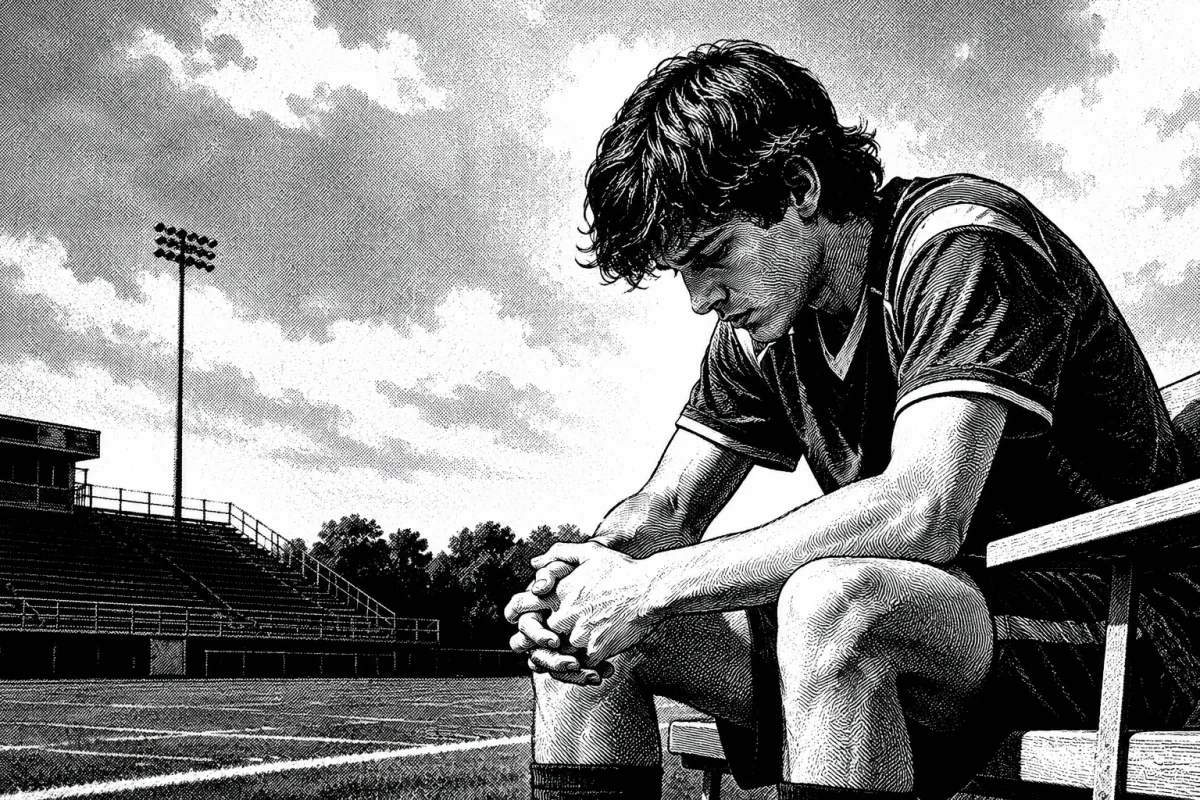
There’s a particular kind of silence that settles into youth athletes before anyone admits something is wrong.
It rarely arrives dramatically.
Not with rebellion. Not with collapse. Not with some visible breaking point that forces everyone to stop and pay attention.
More often, it begins with subtle disappearances.
A teenager who once replayed every moment of practice during the drive home now stares quietly out the passenger window. Conversations shrink into fragments. Irritation surfaces where ease used to live. The athlete still performs, still trains, still collects praise from coaches and scouts, but something underneath begins tightening in ways that are difficult to describe and even harder to measure.
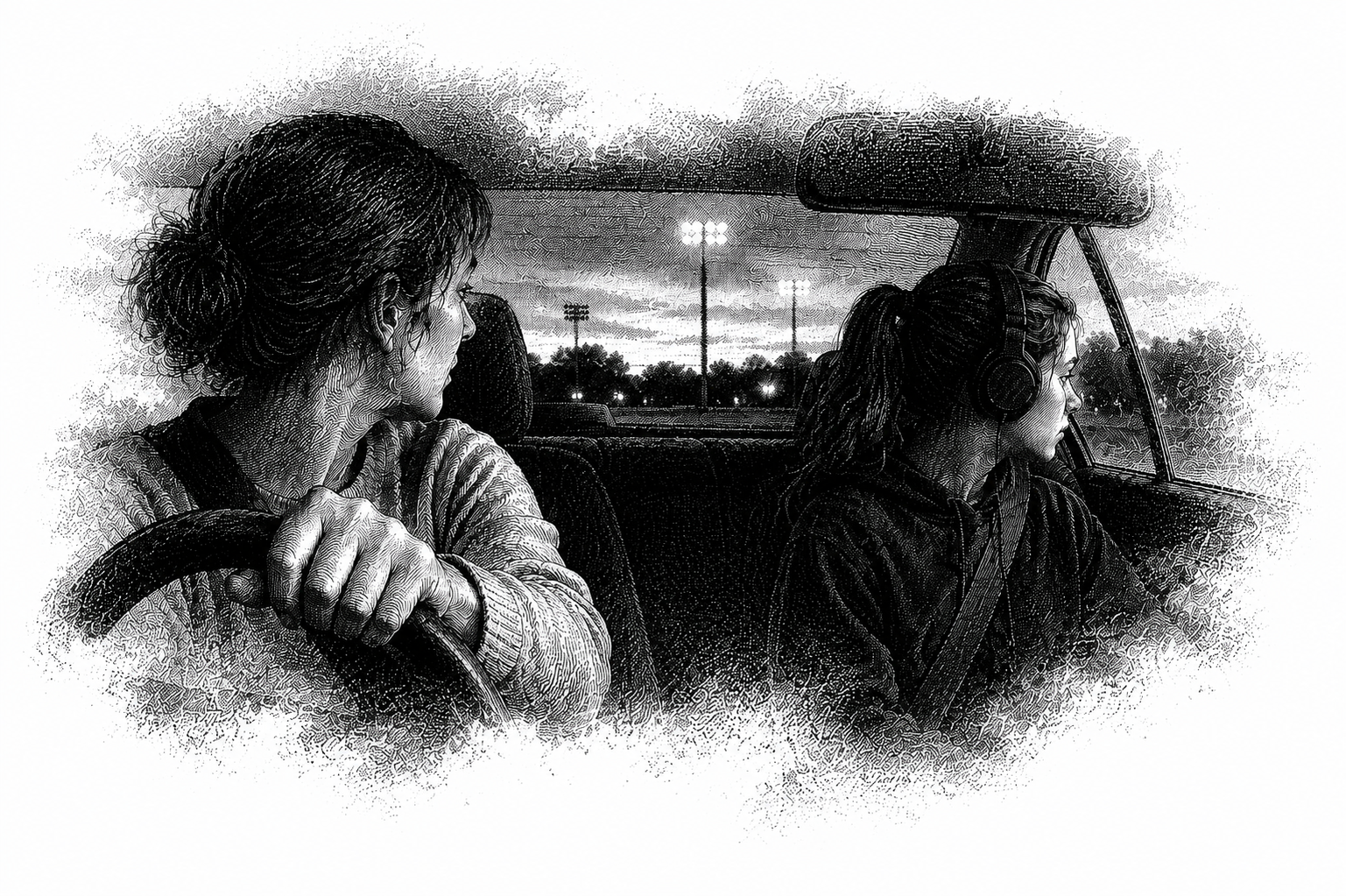
I noticed it first in my own daughter.
She still showed up every day. Still worked. Still competed hard. From the outside, almost no one would have suspected anything was wrong. In fact, her discipline only seemed to intensify. Small mistakes lingered longer than they once had. Sleep became inconsistent. Joy quietly disappeared from the game she had once loved.
Everyone had explanations.
The season was demanding. School was stressful. College pressure was real.
All true.
But none of those explanations fully captured what was happening underneath the surface. Her nervous system had drifted into chronic overload.
That distinction matters more than most people realize.
Because overloaded athletes rarely look broken at first. Many appear remarkably high-functioning for long stretches of time. They continue competing. Continue achieving. Continue meeting expectations. Some even become more perfectionistic as internal strain rises, tightening their grip on performance because performance becomes the last remaining place where control still feels possible.
Which is precisely why these athletes are so easy to misunderstand.
The kids most vulnerable to emotional exhaustion are often the same ones adults praise for being driven.
Conscientious. Responsible. Internally intense.
They care deeply.
Sometimes too deeply for too long without enough recovery.
Modern youth athletics has quietly become an almost perfect environment for chronic nervous-system overload. Not because sports themselves are harmful. Athletics remain one of the great developmental environments in modern life — capable of building discipline, resilience, confidence and belonging.
The Ecosystem Surrounding Sports Has Changed
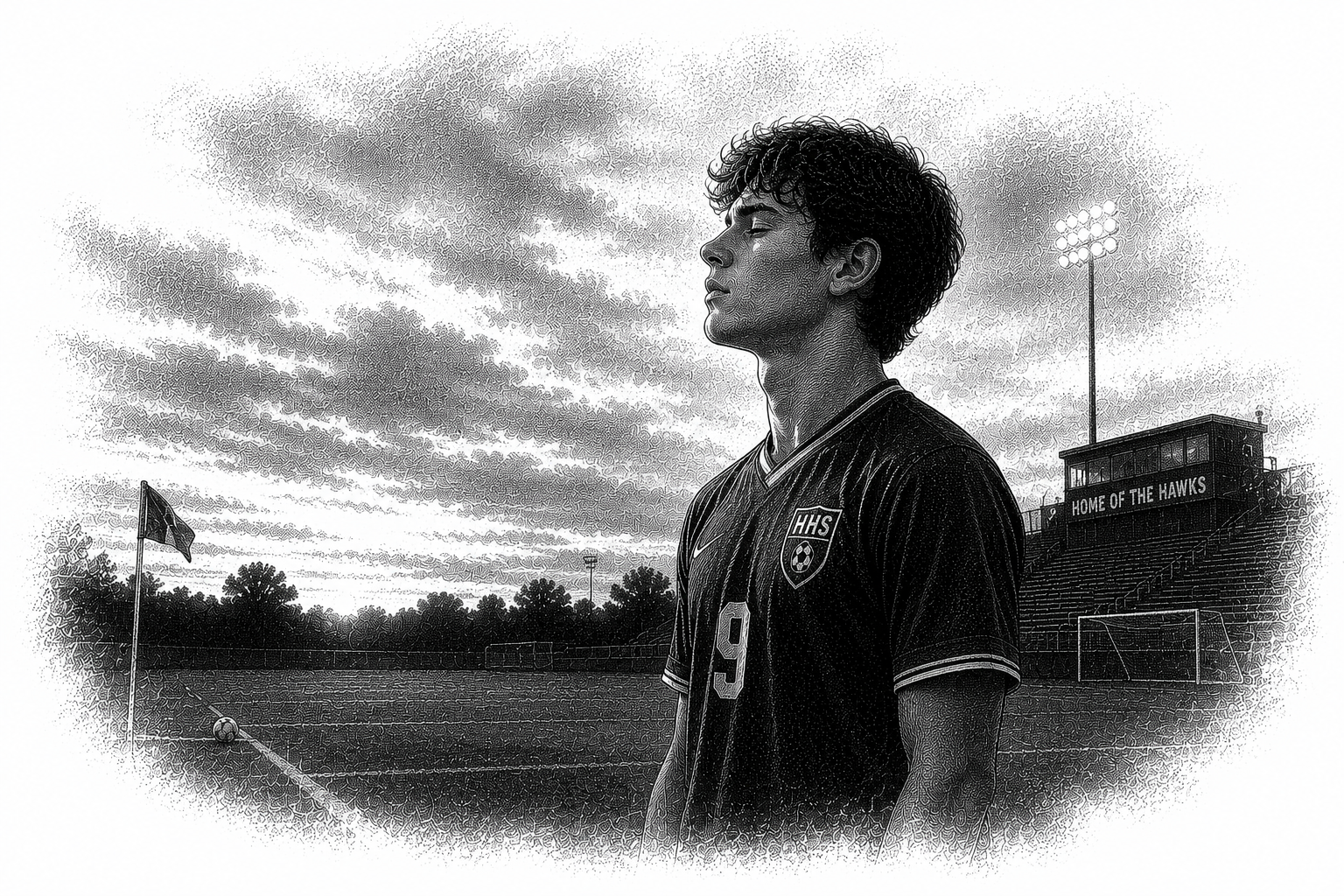
Many young athletes now exist inside a nonstop performance environment: year-round competition, private coaching, travel schedules, scholarship pressure, social media comparison, fear of falling behind, fear of disappointing others, fear of wasting opportunity. Adolescence, already emotionally volatile by nature, becomes fused to constant evaluation.
And beneath all of it sits the question many athletes never say aloud:
What happens if I stop performing well?
Adults often underestimate how completely performance can attach itself to identity during adolescence, especially in high achievers who have learned to associate success with worthiness, attention, or stability.
The body registers that pressure long before language catches up to it.
Sometimes the first signs are physical — fatigue, illness, poor recovery, disrupted sleep.
But often the earliest changes are emotional.
An athlete becomes brittle. More reactive. More self-critical. Mistakes that once rolled off now spiral into panic or shutdown. Emotional recovery disappears. Everything begins requiring more effort than it once did.
This is where many families unintentionally move in the wrong direction.
From the outside, the athlete suddenly appears mentally fragile, so the response becomes more pressure: more accountability, more toughness, more reminders to push through discomfort.
And certainly, accountability matters.
But there is an uncomfortable truth many performance cultures still resist admitting: a nervous system living in chronic survival mode cannot always be coached out of overwhelm through additional pressure.
At some point, “push through it” stops being development and starts becoming erosion.

A Way Forward
Conversations around recovery, regulation, and Heart Rate Variability have become increasingly relevant in high-performance athletics. Wearable technology doesn't offers magical solutions, but it points toward something athletes have historically ignored:
Recovery is not weakness.
Recovery is physiology.
Healthy nervous systems are flexible. They can activate intensely under stress and then return to regulation afterward. Stress itself is not dangerous. Growth requires stress.
But stress without meaningful recovery changes people.
Emotionally first, surprisingly often.
That is the part many parents miss. Burnout rarely begins with collapse. Some of the most overloaded athletes are still outwardly succeeding.
What disappears first is usually something less measurable.
Aliveness.
The athlete still performs, but the game begins feeling emotionally expensive. Practices drain more than they energize. The body starts bracing against experiences that once felt absorbing and joyful.
This is also where mindfulness — stripped of the clichés and cultural baggage surrounding the word — becomes profoundly practical.
Not because athletes should become passive or endlessly calm.
And not because mindfulness is soft.
Quite the opposite.
Elite performers are often extraordinarily aware of themselves. They notice tension. Breathing. Attention. Emotional shifts. Recovery patterns. Internal pacing. They are not disconnected from their bodies and minds. They are deeply attuned to them.
Awareness is what allows regulation to happen before collapse becomes necessary.
Most athletes, however, are taught the opposite. Ignore fatigue. Override emotion. Suppress nerves. Stay mentally tough.
But awareness is not fragility.
Awareness is what keeps pressure from becoming damage.
Many struggling athletes are not failing because they care too little.
They are drowning because they care enormously and no one ever taught them how to recover from carrying that much internal pressure.
Sometimes the breakthrough is not learning how to become tougher.
Sometimes it is finally recognizing that irritability, exhaustion, emotional volatility, perfectionism, and loss of joy are not always signs of weakness or poor character.
Sometimes they are the nervous system asking for help in the only language the body knows how to speak.
If Some of This Feel Familiar, You Are Not Alone
Many families are navigating versions of this quietly, especially with high-performing athletes who appear “fine” from the outside. Sometimes what parents need most is not another performance strategy, but a better framework for understanding what stress, recovery, pressure, and emotional overload actually look like underneath achievement.
That’s part of the work at Firth Mindfulness — helping athletes and families better recognize the nervous-system side of performance before struggle becomes collapse.
